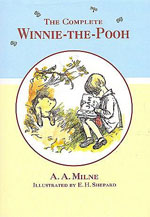
This is a sweet, calming, almost preternaturally zen book. It entertains, amuses and educates on many levels for all ages. The illustrations are exquisite.

This is a sweet, calming, almost preternaturally zen book. It entertains, amuses and educates on many levels for all ages. The illustrations are exquisite.
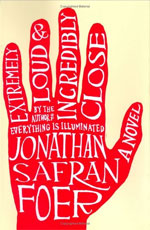
This unforgettable book stunningly juxtaposes the utterly improbable with the emotionally profound. The connections and coincidences as young Oskar seeks to solve a mystery associated with the death of his father, who was in one of the World Trade Center buildings on September 11th, all just seem too amazing. Then again, planes flying into mighty buildings and those mighty buildings collapsing was utterly improbable and unimaginable too, wasn’t it? Then again, too, September 11th is perhaps not quite as singular an event as the 9/11 “industry” would have us believe, as “Extremely Loud & Incredibly Close” reminds us of historical precedents such as the devastating bombing of Dresden.
Although some of Jonathan Safran Foer’s stylistic effects throughout this book are a bit stagy and distracting, at core is a story of shocked and bereaved human beings trying to find meaning, comfort and solace in the aftermath of shattering events. From Oskar to his grandparents to his mother to the various people Oskar encounters in his quest, many are captivating and all are believable in their individual searches for peace and even a measure of happiness.
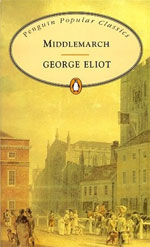
“Middlemarch” is deservedly considered a classic, and an exemplar of the art of the novel. Eliot takes on an immense amount thematically, does much of it justice and somehow manages to balance broad issues with in-depth, affecting and authentic portrayals of a captivating array of characters. While the central and some peripheral characters serve to further Eliot’s interest in social, political, gender, scientific and religious issues, all figures throughout the novel are etched as believable human beings, not just as one-dimensional symbols serving some more general purpose. There are no black-and-white heroes/heroines or villains, but all are presented as well-rounded individuals with strengths, weaknesses and foibles.
The chapter describing how incendiary gossip about two prominent figures spreads through the community and evolves into fact is a tour de force of plot momentum – acerbic, brilliant and exhilarating to read. In other words, Eliot’s mastery of theme and character do not at all mean that she gives plot short shrift.
While the ending sews up the fates of the main characters, there are surprises and debatable resolutions right to the very end. This book satisfies on so many levels, and sends the reader off with much about which to ponder.
“People glorify all sorts of bravery except the bravery they might show on behalf of their nearest neighbours.”

Lethem’s Pynchonesque fever dream bombards the reader with rapid fire wordplay, much of involving the inventive juggling of cliches. But what does it all mean? The Falstaffian protagonist is travelling through a large body a la The Fantastic Voyage. At one point, he glimpses out through the body’s eye and sees the Statue of Liberty. At another point, it’s possible the body is actually a Trojan horse. So, ummm … “This Shape We’re In” is short and sufficiently fast paced that it can be visited numerous times. Will repeated visits be worth it in terms of further understanding what this allegory is all about?

VS Naipaul’s classic and much-lauded novel about social upheaval in an unnamed African nation in the 1970s is simultaneously engrossing and chilling. Told from the point of view of an ethnic Indian man who was raised and lives in Africa, the story deals with many layers of dispossession and alienation amongst its individual characters and ethnic and social groups as they struggle amidst the tides of and enticements of modernity and the countering tides of history and tradition. Characters deal with these conflicting tides in varying states of paralysis, weariness and wariness. Even those who embark hopefully on personal or business relationships to try to further themselves and thrive in shifting social milieus all seem to be stymied and even crushed in rapid succession. All optimism seems to wane or is more violently extinguished as everyone either flees, goes into hiding or at very least “accepts new encumbrances”. Naipaul’s book is pointed and instructive, but not uplifting.
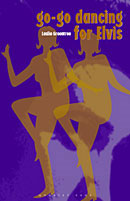
This is warm, down-to-earth, approachable poetry. The voice is plain-spoken, at times wistful, at times feisty, always charming. Thanks to Leslie Greentree for making us love the supposedly non-beautiful sister so much more.

“Brooklyn” is essentially a sweet tale simply told, but with much emotional depth. Just because it is a fairly simple story and the protagonist is somewhat laconic doesn’t mean that there isn’t much going on or that it was an easy knock-off for Toibin. Much authorial craft has made it so simple yet so profound, melding Eilis’ personal journey from Ireland to the U.S. and as a young woman to social changes that were just starting to gain momentum in the 1950s. Snippets of tart dialogue spice up the mix along the way.

The atmosphere of real and imagined menace (but, as it turns out, justifiably imagined), and the verging on gothic harshness of rural and aboriginal life during the Second World War makes parts of The Cure for Death by Lightning almost unbearable to read in the opening chapters. But then the spirit and resilience of 15-year-old Beth Weeks, and her eye for hopeful and redemptive signs in the people, the animals and the world around her win you over, and have you turning the pages with no fear, and much optimism that she will forge a life, thrive and be loved in the hardscrabble setting in which she chooses to remain. Populated with original and captivating characters and an undercurrent of mystery and mysticism that never veers into the utterly unbelievable, this is an unforgettable book.

Cute … I would say it is more chuckle-worthy than laugh-out-loud funny, though.

I really wanted to like this book. The idea has promise, that of taking a fairly commonplace central story – guy with dead end job in what he feels is a town that stymies his creativity aspires to be a writer – and blowing out the walls by approaching it from conventional text, graphic novel, workshopped screenplay and multiple perspectives. But the reality is that it’s a thin story with no really interesting characters or fresh insights, especially on the encroachment of big box corporate concerns, which we all know suck the life out of small towns – but didn’t the author already think his town sucked?. The different stylistic renderings just feel like gratuitous padding and short attention span noodling. But I feel a bit insulted as a reader, because *I* don’t have a short attention span if he wants to try to stick with his story and explore it in more depth.
The well-illustrated graphic novel portions feel especially wasted because they look great, but add nothing to the story. Is the workshopped bit with the clueless handwritten edits supposed to draw the reader in on the joke, whatever that is? Yeah, I get it, but again it doesn’t add anything new to the central story.
Fiorentino can at least be commended, I suppose, for writing what he apparently knows. I’m not sure if I’m interested in checking back when/if he tries to legitimately stretch himself as a writer.